Built for the Wet: Weatherproofing Your Dream Interior, Room by Room
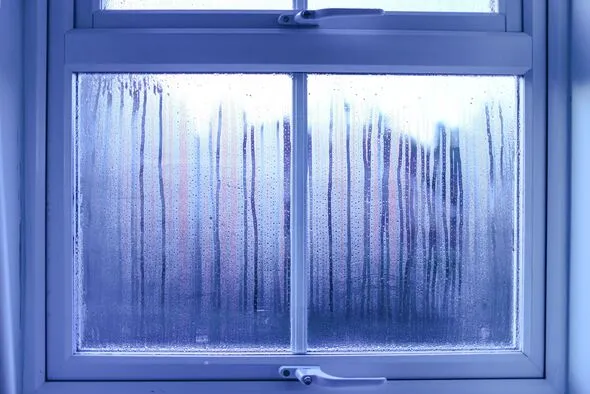
Photo: condensation on bedroom window british winter interior, via cdn.images.express.co.uk
Let's be honest about the climate. We live on an island that manages, on average, well over a hundred days of rain a year, and our homes pay for it — in condensation streaking the bedroom windows, in that faint musty note in the spare room, in paint that blisters above the skirting no matter how carefully it was applied. Yet most renovation mood boards are borrowed from California. If you're planning a whole-home transformation, designing for damp isn't pessimism. It's the difference between a scheme that looks lovely on handover day and one that still looks lovely a decade later.
Start with the air, not the aesthetics
The single biggest cause of damp-related damage inside a well-maintained British home is moisture we generate ourselves: cooking, showering, drying laundry on radiators. No finish will survive chronically humid air, so ventilation comes first in every plan we draw.
Practically, that means specifying a decent mechanical extract ventilator in bathrooms and kitchens — not the builder's-cheap fan that gets swapped out in year two — and, if the budget stretches, considering whole-house mechanical ventilation with heat recovery (MVHR) during a full renovation. It's far easier to duct during a strip-out than to retrofit later. Trickle vents on every replacement window, meanwhile, cost almost nothing and quietly earn their keep all winter.
The old habit of sealing draughts completely is worth questioning too. Period homes were designed to breathe; a fully airtight Victorian terrace with no planned ventilation is a condensation factory.
Walls that can take a beating
For high-humidity zones, we've become converts to a small family of workhorse finishes:
- Breathable paints. Limewash and clay-based emulsions let moisture pass through the wall rather than trapping it behind a plastic film. They suit older, solid-walled homes especially well and come in a gorgeous, chalky range of colours.
- Mould-resistant formulations. In bathrooms and utility rooms, a paint with anti-mould additives in the mist coat and topcoat is cheap insurance.
- Tiling that goes the distance. Full-height tiling in a shower zone — rather than stopping at a fiddly border — removes the grout-line trouble spots where water finds its way in.
One note for period properties: if you're dealing with an older solid-brick house, resist cement-based renders and non-breathable masonry paints on external walls. Trapped moisture will find an exit, and it's usually through your beautiful new interior.
Flooring: beautiful and unsentimental
Solid wood flooring in a ground-floor kitchen in Manchester is a heartbreak waiting to happen. Engineered timber, with its layered construction, copes with seasonal movement far better and is our default across most ground floors. In genuinely wet zones — bathrooms, utilities, back kitchens — porcelain tile wins on every practical measure, and modern large-format tiles with wood or stone effects have quietly become rather handsome.
Whatever you choose, insist on proper preparation: a moisture-checked screed, appropriate membrane where needed, and flexible adhesive and grout in wet areas. The subfloor is where damp problems hide, and skimping there undoes everything above it.
Windows, curtains and the condensation problem
Bedroom windows streaming with water on cold mornings are normal in the UK — warm breath meets cold glass. You can't stop physics, but you can manage it. Curtains that pool on the sill trap moisture against the frame; consider a shorter break or blinds in the worst-affected rooms. Wipe sills as part of the morning routine, and leave bedroom doors ajar during the day to let air circulate.
For window treatments themselves, avoid untreated real wood in bathrooms — a moisture-resistant composite or faux-wood venetian looks identical and won't warp.
The room-by-room reality check
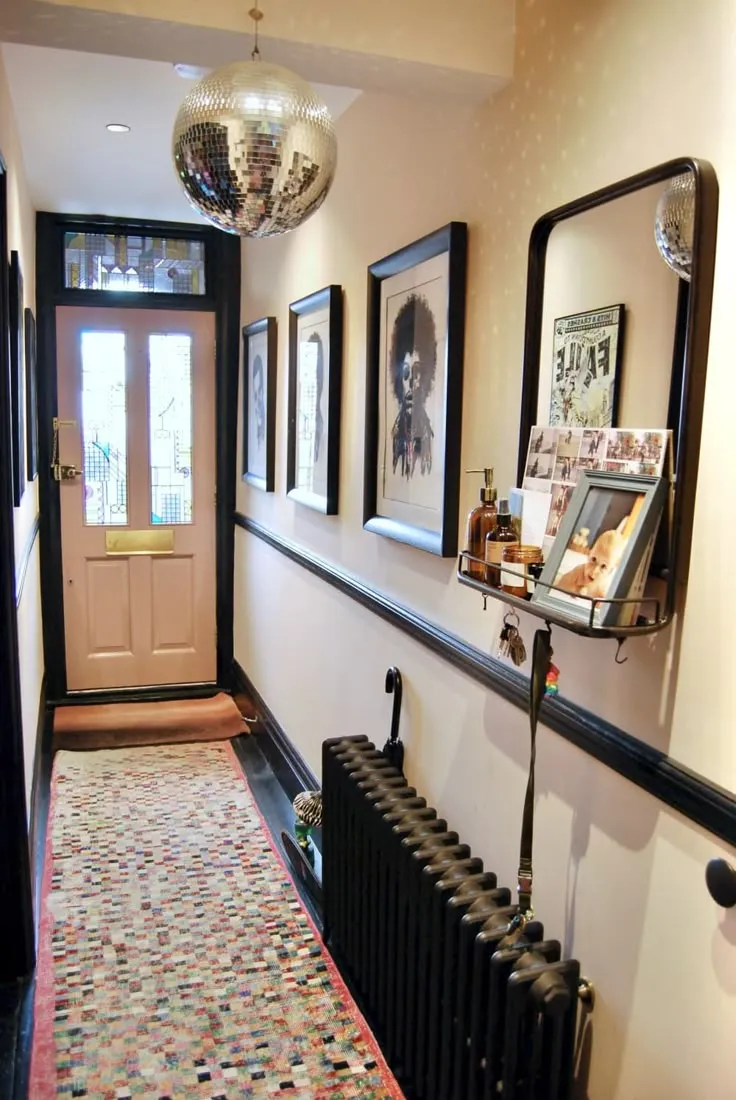
- Hallways: salt staining and draughts at the front door. Choose hardy tile or engineered wood, and a washable paint that shrugs off wet-coat scuffs.
- Kitchens: steam central. Extractor vented outside (never into the loft), splashback tiling that's easy to wipe, and worktops with sealed joins.
- Bathrooms: the full armoury — good extraction, anti-mould paint outside the wet zone, and grout in a mid-tone rather than stark white so it ages gracefully.
- Bedrooms: ventilation and breathable bedding fabrics; avoid pushing wardrobes tight against external walls, which traps cold, moist air behind them.
None of this makes for glamorous Pinterest boards, and that's precisely the point. The best British interiors are the ones you never notice defending themselves. Design for the rain, and the sunshine moments take care of themselves.