Almost Right Is Still Wrong: The Case for a Wrong-Turn Fund

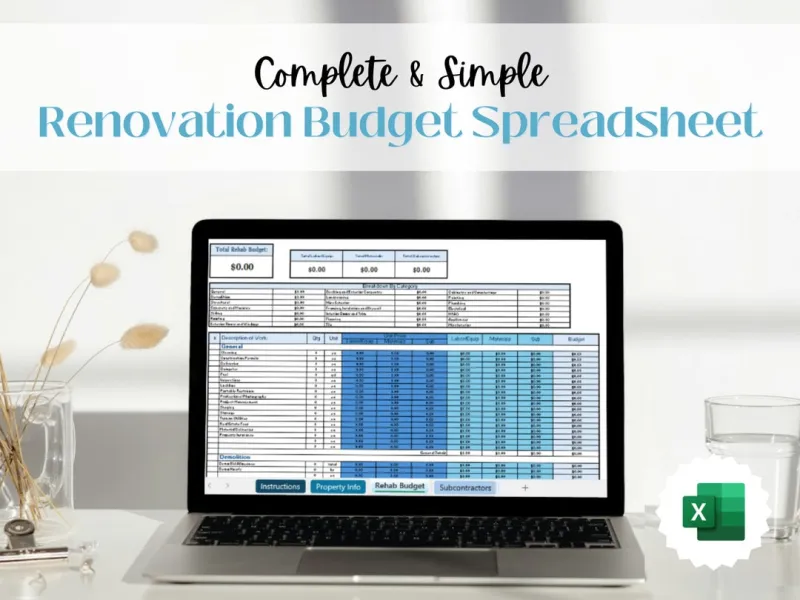
Photo: renovation budget calculator notebook tiles half opened UK home, via images.housegyan.com
Ask anyone mid-renovation what's blowing their budget, and they'll rarely name the kitchen or the windows. It's the small stuff. The stuff that was almost right.
The encaustic tiles ordered from a lovely independent studio in Stoke Newington — gorgeous, but you miscounted by two square metres and the batch is discontinued. The bedroom sockets positioned for a bed that, once delivered, sits fifteen centimetres further left than planned. The bathroom vanity that cleared the door frame in the showroom and not in your 1930s semi in Leamington Spa, where nothing is straight and nothing is standard.
These aren't disasters. They're almost-rights. And they are quietly, relentlessly expensive.
The Budget-Killer Nobody Puts on the Spreadsheet
When we sit down with homeowners planning a full renovation, most budgets are built around the big-ticket line items: structure, services, kitchen, bathrooms, flooring. What almost no one plans for is the stream of small reversals that comes with making hundreds of decisions about a home you're still getting to know.
And here's the uncomfortable part: some of those reversals are entirely reasonable. You live with a space plan for a fortnight and realise the dining zone genuinely doesn't work where you put it. That's not carelessness — that's the design process doing its job. The failure isn't making the wrong call. The failure is not having the money set aside to change it gracefully.
What Is a Wrong-Turn Fund?
Simple: a ring-fenced 10–15% of your total renovation budget, held specifically for revisiting decisions that turned out to be almost right. Not contingency for rotten joists or surprise asbestos — that's a separate buffer with a different job. The wrong-turn fund exists purely for design reversals and second-guessing.
What it covers:
- Reordered materials — the second batch of tiles, the repainted joinery, the replacement handles after you lived with the first ones for a week
- Relocated services — moving a radiator, adding a socket, shifting a light position once furniture is actually in the room
- Revised layouts — tweaking a partition, widening an opening, or rethinking storage after the space tells you something the drawings didn't
- Small remedial work — re-plastering a patch after moving that radiator, making good after adding that socket
When It Saves the Day
A couple we worked with in Sheffield had their whole ground floor reconfigured — open-plan kitchen-diner, utility, the lot. The lighting plan was signed off, first fix done, ceilings plastered. Then they moved in temporarily and realised the evening light over the dining zone was harsh where they'd actually be sitting, not where the plan assumed they'd sit.
Because they'd held back 12% as a wrong-turn fund, the answer was a chandelier reposition, a patched ceiling and a weekend of a plasterer's time. Annoying, yes. Catastrophic, no. Total cost: a few hundred pounds and some pride.
Contrast that with a project we hear about with depressing regularity: a homeowner with no fund, mid-renovation, who decides the kitchen island is 40cm too long. There's no money left to change it, so they live with it — or worse, they put the change on a credit card and the stress leaks into every other decision on the job. A wrong turn you can afford becomes a tweak. A wrong turn you can't afford becomes a resentment.
Why 10–15%?
Below 10%, the fund runs dry too early and you start making compromises in month three that you'll regret in year three. Above 15%, you're probably over-reserved — and that money could be improving the house rather than insuring it.
A few factors push you towards the higher end:
- You're renovating while living in the house — more time to notice things, more temptation to change them
- It's your first full renovation — you will learn things about your own taste mid-project. Everyone does.
- You're specifying a lot of made-to-order items — long lead times make errors more expensive to fix
Rules for Spending It Wisely
A wrong-turn fund is not a slush fund. Ours come with three conditions:
- Sleep on it. If the change still matters in 48 hours, it's a real almost-right. If not, you've just saved yourself several hundred pounds.
- One reversal per decision. You get to move the radiator once. You don't get to move it twice.
- Log everything. Keep a running note of what the fund spent and why. By the end of the project, that list is the most valuable design education you'll ever get — and it makes your next renovation cheaper before you've lifted a hammer.
The Mindset Shift
The real point isn't the money. It's giving yourself permission to be wrong without punishing yourself for it. A renovation is a thousand decisions made with incomplete information, in a house that keeps teaching you things. Build the cost of that learning into the budget from day one, and the almost-rights become part of the process instead of a crisis.
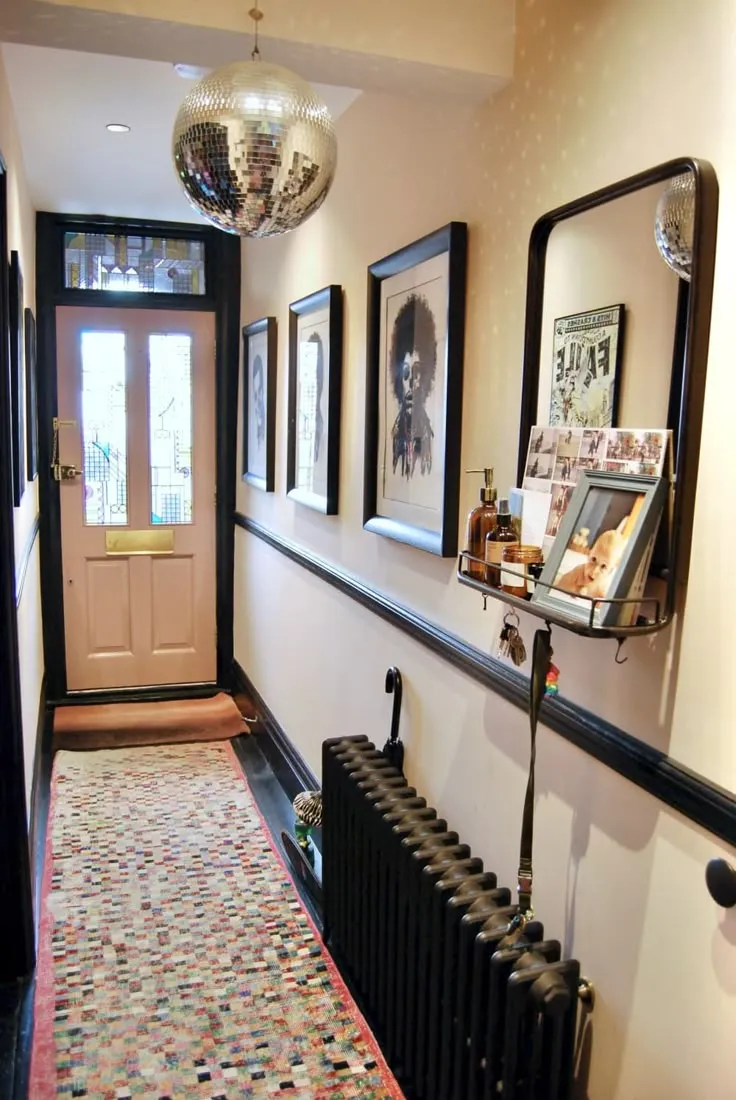
Get it right, and the fund becomes the cheapest insurance you'll ever buy. Get it wrong — meaning you don't have one — and somewhere around week nine, you'll be standing in a half-plastered hallway doing mental arithmetic about a radiator.
We've seen both endings. Fund the wrong turns. Finish the project liking your house and each other.