Trial Run: Seven Low-Stakes Experiments to Run Before You Draw Up Renovation Plans

Photo: Mr.ちゅらさん, CC BY-SA 4.0, via Wikimedia Commons
Here's a confession from the studio: the most valuable renovation advice we give rarely involves materials or budgets. It involves testing. Because the single biggest risk in a whole-home renovation isn't choosing the wrong tile — it's committing thousands of pounds to a layout based on how you think you live, rather than how you actually do.
The fix? Run some experiments. All seven below are cheap, reversible and genuinely revealing. Treat them like a scientist treats a hypothesis: observe, record, adjust.
Experiment 1: The Newspaper Floor Plan
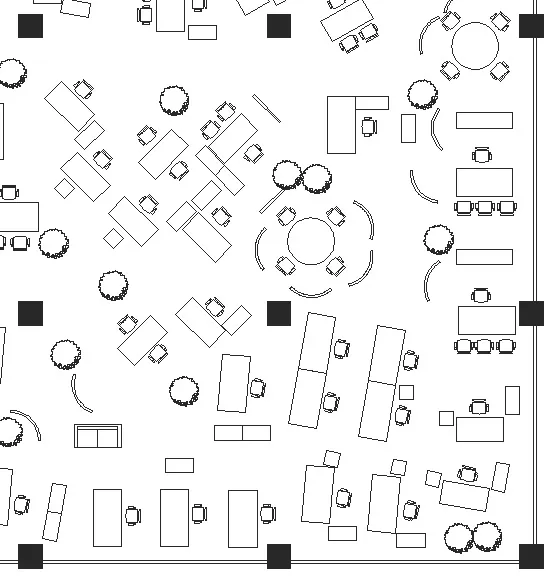
Grab masking tape (or newspaper sheets, if you're feeling theatrical) and mark out your proposed new layout on the existing floor — the island, the extended kitchen, the revised bedroom footprint. Live with the tape for a full week.
What it reveals: whether your dream dimensions actually work with real life. Can two people pass each other at the 'breakfast bar'? Does the sofa fit with walk-around room? Tape doesn't lie, and neither do bruised hips.
Feed it into your brief: adjust dimensions before the plans are drawn, when it costs nothing.
Experiment 2: Peel-and-Stick Everything
Peel-and-stick tiles, self-adhesive splashbacks and removable wallpaper have come a long way — some are genuinely convincing. Put a patch of your shortlisted tile behind the hob, or a strip of patterned paper on the smallest wall in the room.
What it reveals: how a pattern or colour behaves in your light, at your scale, next to your existing finishes. Showroom lighting is a master of deception.
Feed it into your brief: if you still love it after a fortnight of cooking splatter and morning light, it earns its place in the spec.
Experiment 3: The Lighting Swap
Before rewiring anything, change what you already have. Swap one overhead pendant for a floor lamp, add a cheap plug-in wall light, move a table lamp to the spot you wish you could read in.
What it reveals: where you actually need light — and it's almost never the centre of the ceiling. Most people discover they gravitate towards pools of low, warm light and use the big pendant about four times a year.
Feed it into your brief: your electrician will thank you. Plan circuits and socket positions around your findings, not around habit.
Experiment 4: Rearrange the Furniture Completely
One weekend, move the sitting room around entirely. Sofa facing the window instead of the telly. Chairs angled for conversation rather than the radiator. Then live with it for a fortnight.
What it reveals: the room's true traffic paths, and whether the layout you've tolerated for years is a choice or just inertia. If you keep unconsciously moving a chair back to its old spot, that's data.
Feed it into your brief: open-plan layouts especially. If you miss the cosiness of a defined corner, you'll want zoning built in — a partial wall, a change of floor level, a rug boundary.
Experiment 5: Rent the Furniture You're Considering
Considering a large island with seating for four? Hire a big table for a month. Dreaming of a statement sofa in a snug that's currently furnished with hand-me-downs? Furniture rental is a thing, and it's more affordable than you'd think.
What it reveals: whether the piece earns its floor space. Big furniture in small rooms is the most common spatial regret we see — and it's entirely avoidable.
Feed it into your brief: you'll either confirm the purchase with confidence or save yourself a very expensive mistake.
Experiment 6: The One-Week Declutter Trial
Box up everything in the target room that isn't used weekly. Seal the boxes. Date them. Live without them.
What it reveals: how much storage you actually need versus how much you think you need. Most people discover they could lose a third of their storage plans — or, alternatively, that they're constantly opening those boxes, which means built-in storage needs to be generous and smart.
Feed it into your brief: storage is the least glamorous, most impactful line in any renovation spec. Get it evidence-based.
Experiment 7: The Season Diary
The simplest experiment of all: keep a note on your phone for two weeks recording what frustrates you about each room, exactly when it frustrates you. 'No worktop space next to the kettle.' 'Can't reach the light switch from bed.' 'The hallway eats post and never gives it back.'
What it reveals: your genuine pain points, ranked by frequency — which is very different from ranked by how much they annoy you on a bad day.
Feed it into your brief: this list, prioritised, is the backbone of a proper renovation brief. Hand it to your designer and watch the meeting get twice as productive.
Fail Fast, Renovate Wisely
None of these experiments require planning permission, a skip or a nervous breakdown. Together, they cost less than a nice lamp — and they convert vague wishes into documented evidence.
The homes that renovate best are the ones whose owners did their homework in the messy, low-stakes phase. So run the experiments, scribble down the findings, and when you're ready to commit to the real thing, you'll be doing it with the confidence of someone who already knows the answer.